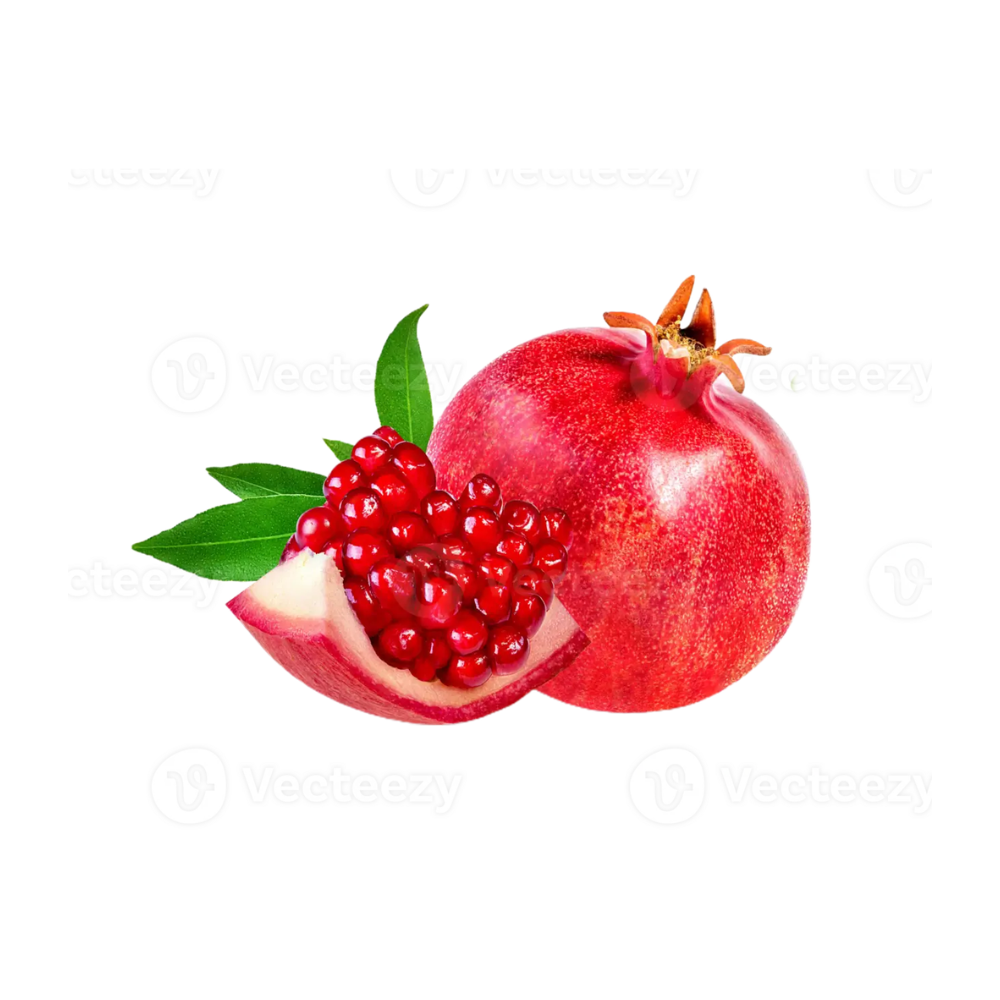
Pomegranate is a vibrant fruit known for its sweet-tart taste and jewel-like seeds. Many people include pomegranate in their diet for its antioxidant richness and refreshing flavor.
However, questions often arise about its sugar content, calorie intake, and suitability for weight or blood sugar management.
Understanding pomegranate nutrition helps you make balanced dietary choices.
Quick Answer
Yes, pomegranate can be good for you when eaten in moderation. It provides antioxidants, vitamin C, fiber, and plant compounds that may support heart health, digestion, and skin wellness. However, portion control is important because pomegranate contains natural sugars that may influence calorie intake and blood sugar balance.
Nutritional Value of Pomegranate
Pomegranate seeds (arils) are nutrient-dense and contain hydration, natural carbohydrates, and protective antioxidants.
| Nutrient | Amount (per 1 cup arils ~175g) |
| Calories | ~144 kcal |
| Carbohydrates | ~32 g |
| Fiber | ~7 g |
| Protein | ~3 g |
| Vitamin C | ~17% DV |
| Vitamin K | ~36% DV |
| Potassium | ~410 mg |
| Natural sugars | ~24 g |
*Values are approximate based on standard nutrition references.
Health Benefits of Pomegranate
May Support Heart Health
Pomegranate contains polyphenols and antioxidants that may help protect blood vessels from oxidative stress. These plant compounds may contribute to maintaining healthy circulation and balanced cholesterol levels when combined with an active lifestyle.
Regular intake of antioxidant-rich fruits as part of a varied diet may support long-term cardiovascular wellness.
Provides Powerful Antioxidant Support
The deep red color of pomegranate indicates the presence of beneficial phytochemicals that may help neutralize free radicals. Antioxidant-rich foods play a role in supporting cellular protection and overall vitality.
Including colorful fruits like pomegranate in daily meals may contribute to improved nutrient diversity.
Supports Digestive Function
Pomegranate seeds provide dietary fiber that may help maintain bowel regularity and digestive comfort. Fiber contributes to improved gut function and nutrient absorption.
Balanced intake of fiber-rich fruits alongside adequate hydration may help support digestive harmony.
May Promote Skin Vitality
Vitamin C and antioxidants in pomegranate may contribute to collagen maintenance and help protect skin cells from environmental stress. Consistent intake of nutrient-dense fruits can support long-term skin freshness and elasticity.
However, noticeable improvements depend on overall diet and lifestyle consistency.
Provides Natural Energy
Pomegranate contains natural carbohydrates that may offer gentle sustained energy during daily activities. This can make it a useful snack option during busy routines.
Combining pomegranate with protein-rich foods may help improve satiety and maintain balanced energy release.
May Support Immune Wellness
Micronutrients such as vitamin C and plant compounds in pomegranate may help maintain immune resilience. Balanced fruit consumption contributes to overall defense against seasonal environmental stressors.
Maintaining dietary variety enhances immune-supportive nutrient intake.
Is Pomegranate Good for Weight Loss?
Pomegranate can fit into a weight-loss diet when consumed in controlled portions. Its fiber content may promote fullness and reduce cravings for highly processed sweets.
However, pomegranate seeds contain natural sugars and moderate calories, so excessive intake may increase total daily calorie consumption. Balanced portion sizes and mindful eating habits remain essential for fat-loss progress.
Is Pomegranate Good for Diabetes?
Pomegranate has a moderate glycemic impact and contains natural fruit sugars that may influence blood glucose levels if eaten in large quantities. Fiber content may help slow sugar absorption when consumed as whole seeds.
Individuals managing diabetes may benefit from limiting portion size and pairing pomegranate with protein or healthy fats for improved glycemic balance.
Is Pomegranate Good for Gym & Muscle Gain?
Pomegranate may serve as a refreshing pre-workout fruit due to its natural carbohydrate content, which supports energy during moderate exercise. Hydration benefits may also assist physical endurance.
However, pomegranate is not a major protein source. Combining it with protein-rich foods such as yogurt, nuts, or post-workout shakes may support muscle recovery.
Is Pomegranate Good for Skin & Hair?
Antioxidants and vitamin C in pomegranate may help support skin renewal and protect hair follicles from oxidative stress. Adequate intake of antioxidant-rich fruits contributes to maintaining scalp comfort and natural hair strength.
Hydration and balanced nutrition remain important for visible beauty improvements.
Other Possible Health Uses
May Support Metabolic Balance
Fiber and plant compounds in pomegranate may contribute to better appetite regulation and improved metabolic efficiency. Balanced fruit intake may help maintain stable daily energy patterns.
May Assist Cooling and Hydration
Consuming juicy fruits like pomegranate may help maintain comfort during hot climates by contributing to fluid intake and electrolyte balance.
May Support Prenatal Nutritional Needs
Pomegranate provides hydration and micronutrients that may contribute to general maternal nutrition when included as part of a varied diet.
Possible Side Effects or Risks
Excessive consumption of pomegranate may increase sugar and calorie intake, which could affect weight management or blood sugar control. Some individuals may experience digestive discomfort such as bloating if large portions are eaten.
Packaged pomegranate juices may contain added sugars, which can further increase calorie intake. Choosing whole seeds is generally a healthier option.
Best Ways to Eat Pomegranate
Fresh pomegranate seeds are the most nutritious choice because they provide fiber and antioxidants without added sugars.
Practical consumption tips:
- Sprinkle pomegranate seeds over salads or yogurt
- Eat as a refreshing mid-day snack
- Add to smoothies with protein sources
- Avoid excessive intake of sweetened pomegranate juices
For most healthy adults, about half to one cup of seeds per serving is generally appropriate.
Who Should Avoid or Limit It
Certain individuals may need to monitor pomegranate intake depending on dietary needs.
Examples include:
- People following strict carbohydrate-controlled diets
- Individuals sensitive to high natural sugar foods
- Those experiencing digestive discomfort from seeded fruits
- Individuals advised to monitor potassium intake
These points are informational and not intended as medical diagnosis.
Tips for Healthy Consumption
- Combine pomegranate with protein foods to support balanced energy
- Maintain portion awareness for weight management goals
- Prefer fresh seasonal fruit over processed juice products
- Include a variety of fruits for comprehensive nutrition
- Consume during active daytime hours for better energy use
FAQs
Can I eat pomegranate every day?
Eating moderate portions of pomegranate daily may be safe for most healthy adults. It provides antioxidants, fiber, and hydration support. Maintaining dietary variety helps ensure balanced nutrient intake.
Is pomegranate fattening?
Pomegranate is not inherently fattening when eaten in controlled portions. Its natural sugars may contribute to calorie intake if consumed excessively. Balanced serving sizes support weight management goals.
Is pomegranate good at night?
Pomegranate can be eaten at night as a light snack, but individuals sensitive to sugar intake or digestion may prefer earlier consumption. Pairing with balanced meals may improve tolerance.
How much pomegranate per day is safe?
For most healthy individuals, about half to one cup of pomegranate seeds per day fits within a balanced diet. Consuming very large quantities may lead to digestive discomfort or excess calorie intake.
Is pomegranate high in sugar?
Pomegranate contains natural fruit sugars along with fiber and antioxidant benefits. While not extremely calorie-dense, portion control is helpful for individuals monitoring carbohydrate intake or blood sugar levels.
Summary
Pomegranate can be a nutritious addition to a balanced diet due to its antioxidant richness, fiber content, and hydration benefits. It may support heart health, digestion, skin vitality, and overall wellness when consumed in appropriate portions.
Maintaining moderation, choosing fresh pomegranate seeds, and combining them with protein-rich foods can help maximize their benefits while supporting long-term dietary balance.