Is Mulberry Good for You?
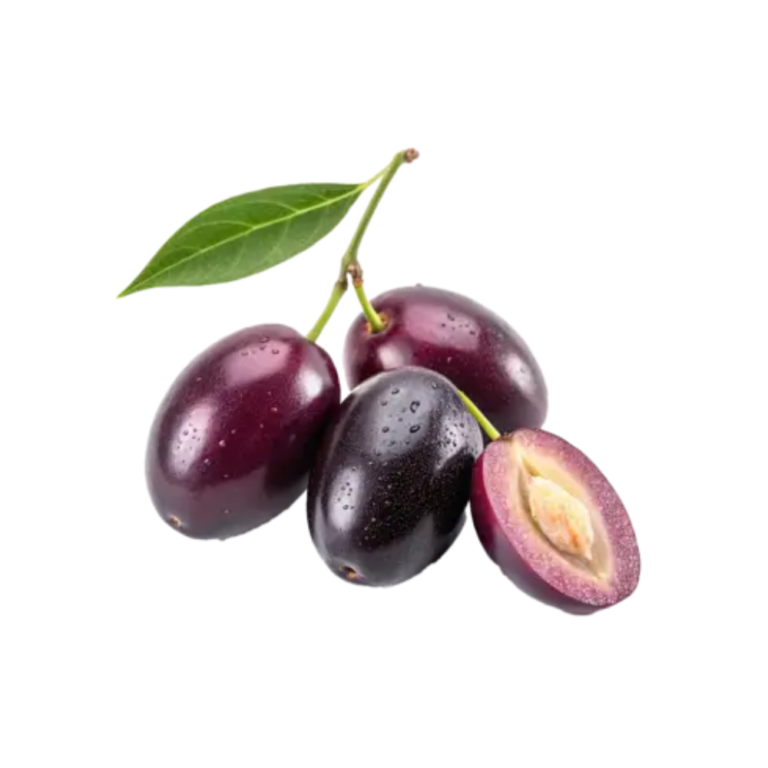
Mulberries are small, juicy berries that grow on mulberry trees and are enjoyed fresh, dried, or in juices and desserts.
They have a naturally sweet flavor and are often included in traditional diets for their nutritional value and refreshing taste.
However, many people wonder whether mulberries are suitable for weight management, blood sugar balance, or daily wellness goals. Understanding mulberry nutrition facts and portion control can help you include them wisely in your routine.
Quick Answer
Yes, mulberries can be good for you when eaten in moderate portions. They provide vitamin C, fiber, antioxidants, and natural plant compounds that may support digestion, immune balance, and skin health. However, dried mulberries and sweetened products may contain concentrated sugars, so portion awareness is important.
Nutritional Value of Mulberry
Fresh mulberries are considered relatively low in calories with beneficial micronutrients.
| Nutrient | Amount (per 1 cup ~140g) |
| Calories | ~60 kcal |
| Carbohydrates | ~14 g |
| Fiber | ~2 g |
| Protein | ~2 g |
| Vitamin C | ~50% DV |
| Iron | ~2.6 mg |
| Potassium | ~270 mg |
| Water content | ~88% |
*Values are approximate based on general nutrition references.
Health Benefits of Mulberry
May Support Immune Function
Mulberries contain vitamin C and antioxidant plant compounds that may help strengthen natural immune defenses. Including nutrient-rich berries in daily meals can contribute to overall resilience against environmental stressors.
Balanced nutrition and hydration habits further support immune wellness.
Supports Digestive Health
Fiber content in mulberries may help promote smoother digestion and regular bowel movement patterns. Including fiber-containing fruits can assist appetite control and improve gut comfort.
Combining mulberries with whole grains or yogurt may enhance digestive satisfaction.
May Support Heart Wellness
Potassium and antioxidant compounds in mulberries may contribute to maintaining balanced blood pressure and circulation. Including fruit-based nutrients in a balanced diet supports long-term cardiovascular comfort.
Heart wellness depends on lifestyle and overall diet quality.
Provides Gentle Natural Energy
Natural carbohydrates in mulberries may offer light energy support for daily tasks or mild physical activity. Their natural sweetness can help reduce cravings for highly processed sugary snacks.
Pairing mulberries with protein foods may support sustained energy release.
May Support Skin Vitality
Vitamin C and antioxidants in mulberries may contribute to collagen production and protection against oxidative stress. Nutrient-dense fruits support natural hydration and skin glow.
Visible beauty improvements depend on consistent dietary habits.
May Support Blood Circulation
Iron content in mulberries may contribute to maintaining healthy red blood cell formation and oxygen transport in the body. Balanced mineral intake supports general energy levels and vitality.
Overall circulation health depends on diverse nutrition patterns.
Is Mulberry Good for Weight Loss?
Mulberries may support weight management because they are relatively low in calories and provide natural fiber that may help improve satiety. Including fresh mulberries as a snack may help reduce cravings for high-calorie desserts.
However, dried mulberries contain more concentrated sugars and calories, so excessive intake may affect fat-loss goals.
Is Mulberry Good for Diabetes?
Fresh mulberries may have a moderate glycemic impact and could fit into balanced eating plans when consumed in small portions. Their fiber and plant compounds may help support gradual glucose absorption.
Pairing mulberries with protein or healthy fats may help improve blood sugar stability.
Is Mulberry Good for Gym?
Mulberries may serve as a refreshing pre-workout fruit because natural carbohydrates provide gentle energy support. Their micronutrients may also contribute to recovery and hydration.
For muscle gain goals, combining mulberries with protein-rich foods such as smoothies or yogurt may help create balanced post-workout nutrition.
Is Mulberry Good for Skin & Hair?
Antioxidants and vitamin C in mulberries may help support skin hydration and protect against environmental stress. Nutrient-rich fruits contribute to scalp comfort and hair vitality as part of a balanced diet.
Long-term beauty outcomes depend on overall lifestyle habits.
Other Possible Health Uses
Plant nutrients and fiber in mulberries may help maintain beneficial gut bacteria diversity and digestive harmony.
Low-calorie fruits may help regulate appetite signals and support metabolic efficiency when included in portion-controlled meals.
High water content in fresh mulberries may contribute to maintaining fluid balance during warm weather or active routines.
Possible Side Effects or Risks
Overeating mulberries may cause digestive discomfort or mild bloating due to natural sugars and fiber content. Dried mulberries may significantly increase calorie and sugar intake.
Some individuals may experience allergic reactions or sensitivity to berry fruits.
Best Ways to Eat Mulberry
Fresh mulberries generally provide the best nutritional benefits without added sugars.
Healthy serving ideas:
- Eat fresh mulberries as a snack
- Add to oatmeal, yogurt, or smoothies
- Include in fruit salads with nuts or seeds
- Use small portions of dried mulberries in trail mixes
Moderate serving sizes help maintain balanced nutrition.
Who Should Avoid or Limit It
Certain individuals may need to monitor mulberry intake.
Examples include:
- People managing strict low-sugar diets
- Individuals sensitive to high-fiber foods
- Those with berry allergies
- Individuals following calorie-restricted plans
These points are informational and not medical advice.
Tips for Healthy Consumption
- Choose fresh mulberries instead of sweetened dried products
- Combine mulberries with protein for better satiety
- Maintain portion awareness in weight-management diets
- Wash fresh berries thoroughly before eating
- Include a variety of fruits for complete nutrient coverage
FAQs
Can I eat mulberries every day?
Moderate intake of fresh mulberries may be suitable for many healthy adults. Including different fruits helps maintain balanced nutrient intake.
Are mulberries fattening?
Fresh mulberries are generally low in calories and may support weight management. However, excessive intake of dried mulberries may increase calorie consumption.
Are mulberries high in sugar?
Mulberries contain natural fruit sugars, and dried varieties have more concentrated sugar content. Portion awareness is important for balanced intake.
Is mulberry good at night?
Light portions may be suitable as an evening snack, but digestion comfort may vary among individuals.
How many mulberries per day are safe?
For most adults, about one cup of fresh mulberries per day generally fits within balanced dietary patterns depending on overall calorie needs
Summary
Mulberries are nutrient-rich berries that provide vitamin C, antioxidants, fiber, and gentle natural energy. They may contribute to digestive comfort, immune balance, skin vitality, and weight-management efforts when consumed in moderate portions.
Choosing fresh mulberries, maintaining balanced serving sizes, and combining them with diverse foods can help you benefit from their nutritional value while supporting overall long-term wellness.