Is Cranberry Good for You?
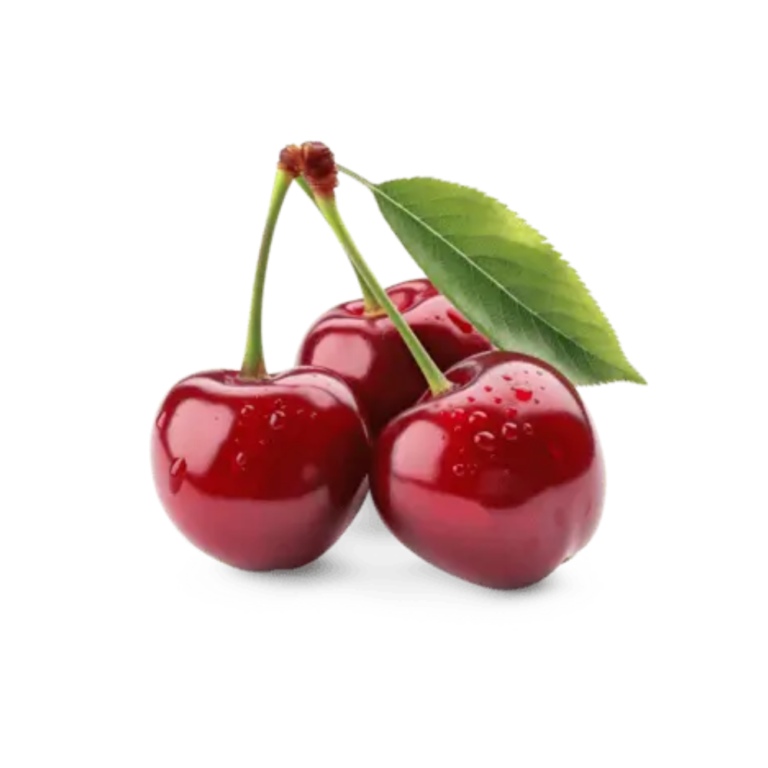
Cranberries are small, bright red berries known for their sharp tart taste and powerful antioxidant profile. They are commonly consumed as fresh berries, juices, dried snacks, or added to salads and smoothies. Many people include cranberries in their diet for digestive support, hydration, and general wellness.
However, because of their acidity and the added sugars often present in processed cranberry products, questions frequently arise about their true health impact. Understanding cranberry nutrition and proper portion control can help you include them wisely in your daily routine.
Quick Answer
Yes, cranberries can be good for you when eaten in moderate portions. They provide antioxidants, vitamin C, fiber, and plant compounds that may support urinary health, digestion, and immune balance. However, sweetened cranberry juices or dried products may contain added sugars, so portion awareness is important.
Nutritional Value of Cranberry
Fresh cranberries are low in calories and rich in protective plant nutrients.
| Nutrient | Amount (per 1 cup ~100g fresh) |
| Calories | ~46 kcal |
| Carbohydrates | ~12 g |
| Fiber | ~4 g |
| Protein | ~0.5 g |
| Vitamin C | ~14% DV |
| Vitamin E | ~1.2 mg |
| Potassium | ~85 mg |
| Water content | ~87% |
*Values are approximate based on standard nutrition references.
Health Benefits of Cranberry
May Support Urinary Tract Wellness
Cranberries contain plant compounds called proanthocyanidins that may help prevent harmful bacteria from adhering to urinary tract walls. Including natural cranberry sources may contribute to urinary comfort.
Hydration and overall hygiene practices also play key roles in urinary health.
Supports Immune Function
Vitamin C and antioxidant nutrients in cranberries may help strengthen natural immune responses and assist the body in coping with environmental stressors.
Regular intake of nutrient-dense fruits supports overall immune stability.
May Support Digestive Balance
Fiber and plant compounds in cranberries may help maintain digestive rhythm and promote gut microbiome diversity. Including fiber-rich fruits can contribute to appetite control and digestive comfort.
Balanced meals further improve digestive outcomes.
May Support Heart Wellness
Antioxidants in cranberries may help support circulation and protect cells from oxidative stress. Nutrient-rich berries often contribute to long-term cardiovascular comfort when included in balanced dietary patterns.
Lifestyle habits remain essential for heart wellness.
Provides Light Natural Energy
Natural carbohydrates in cranberries may offer gentle energy support for daily activities. Their tangy flavor can help reduce cravings for highly processed sugary snacks.
Pairing cranberries with protein foods may support more stable energy release.
May Support Skin Vitality
Vitamin C and antioxidant compounds in cranberries may help contribute to collagen formation and protection against environmental damage. Nutrient-dense fruits support natural hydration and skin glow.
Beauty benefits depend on overall nutrition quality.
Is Cranberry Good for Weight Loss?
Cranberries may support weight management because they are relatively low in calories and contain fiber that may help improve satiety. Including unsweetened cranberry options may help reduce cravings for high-calorie snacks.
However, sweetened cranberry juice or dried cranberries with added sugar may increase calorie intake and affect fat-loss goals.
Is Cranberry Good for Diabetes?
Fresh cranberries generally have a moderate glycemic impact, but processed cranberry products may contain added sugars that influence blood glucose levels. Whole fruit consumption in controlled portions is usually preferable.
Pairing cranberries with protein or healthy fats may help support balanced blood sugar response.
Is Cranberry Good for Gym?
Cranberries may serve as a refreshing light snack before exercise because natural carbohydrates provide gentle energy support. Hydrating foods can contribute to endurance during activity.
For muscle recovery goals, combining cranberries with protein sources may help improve post-workout nutrition balance.
Is Cranberry Good for Skin & Hair?
Antioxidants and vitamin C in cranberries may help maintain skin hydration and support cellular repair processes. Nutrient-rich fruits contribute to scalp comfort and natural hair vitality.
Consistent hydration and balanced diet remain essential for visible results.
Other Possible Health Uses
Plant compounds in cranberries may help maintain beneficial gut bacteria diversity and digestive harmony.
Low-calorie, fiber-containing foods may help regulate appetite signals and support metabolic balance when included in portion-controlled meals.
Water content in cranberries may contribute to maintaining fluid balance, especially during warm weather or physical activity.
Possible Side Effects or Risks
Excessive intake of cranberries may cause digestive discomfort or stomach irritation in sensitive individuals due to acidity. Highly sweetened cranberry juices and dried products may increase sugar intake.
Some individuals taking specific medications should seek personalized dietary advice before consuming large quantities.
Best Ways to Eat Cranberry
Fresh or minimally processed cranberries usually provide the best nutritional benefits.
Healthy consumption ideas:
- Add fresh cranberries to salads or oatmeal
- Blend unsweetened cranberries into smoothies
- Drink diluted unsweetened cranberry juice
- Mix with yogurt or nuts for balanced snacks
Moderate serving sizes help maintain nutritional balance.
Who Should Avoid or Limit It
Certain individuals may need to monitor cranberry intake.
Examples include:
- People sensitive to acidic fruits
- Individuals managing strict low-sugar diets
- Those with digestive sensitivity
- Individuals using medications affected by fruit compounds
These guidelines are informational and not medical prescriptions.
Tips for Healthy Consumption
- Prefer fresh or unsweetened cranberry products
- Avoid high-sugar cranberry juices or dried snacks
- Combine cranberries with protein for satiety
- Maintain portion awareness in calorie-controlled diets
- Include a variety of fruits for balanced nutrition
FAQs
Can I eat cranberries every day?
Moderate intake of fresh or unsweetened cranberries may be suitable for many healthy adults. Variety in fruit choices helps maintain balanced nutrient intake.
Are cranberries high in sugar?
Fresh cranberries are relatively low in natural sugar, but processed cranberry products often contain added sweeteners. Portion awareness is important.
Is cranberry juice healthy?
Unsweetened cranberry juice in small amounts may provide antioxidant benefits. Sweetened commercial juices may increase calorie and sugar intake.
Is cranberry good at night?
Light portions may be suitable as an evening snack, but acidic foods may cause digestive discomfort in some individuals.
How much cranberry should I eat daily?
For most adults, about half to one cup of fresh cranberries or a small glass of diluted unsweetened juice may fit within balanced dietary patterns.
Summary
Cranberries are antioxidant-rich, low-calorie berries that provide fiber, vitamin C, and plant compounds supporting urinary comfort, digestion, and immune balance. They may contribute to weight management and skin vitality when consumed in moderate portions.
Choosing fresh or unsweetened cranberry options and maintaining balanced serving sizes can help you benefit from their nutritional value while supporting overall long-term wellness.