5 Best Smartwatches With Built-In BMI Calculators
Smartwatches have transformed the way people monitor their health. What began as simple step-tracking devices has now evolved into powerful digital wellness tools that provide insights into heart rate, sleep quality, activity levels, and even body composition trends.
Today, many users look for smartwatches with built-in BMI calculators or the ability to track weight-related metrics through connected health apps.
While most smartwatches do not directly measure BMI themselves, they integrate with health platforms and smart scales to calculate Body Mass Index (BMI) automatically.
This makes wearable devices extremely useful for individuals who want to monitor their weight status, set fitness goals, and improve long-term health outcomes.
Let’s discover the best smartwatches for BMI tracking, key features to consider, and see how these devices support overall wellness.
If you prefer a quick online solution, you can instantly check your BMI using our free BMI calculator.
Why Use a Smartwatch for BMI Tracking?
A smartwatch acts as a personal health assistant on your wrist. Instead of manually recording health data, wearable devices automatically track activity levels, calories burned, and body measurements synced from connected apps.
Benefits of using a smartwatch for BMI monitoring include:
- automatic weight and activity tracking
- integration with smart scales and mobile apps
- progress insights through visual dashboards
- reminders for exercise and healthy routines
- long-term data analysis for lifestyle improvement
Understanding your BMI trends alongside daily activity can help you adopt more sustainable health habits.
To learn how BMI works, read how to calculate BMI.
How Smartwatches Calculate or Track BMI
Most smartwatches do not measure BMI directly through sensors. Instead, they calculate BMI by using:
- manually entered height and weight data
- synced data from smart body composition scales
- integration with health apps such as Apple Health, Google Fit, or Fitbit
Once weight information is updated, the smartwatch ecosystem calculates BMI automatically and displays trends over time.
This combination of health tools and wearable technology makes health monitoring more convenient and consistent.
Key Features to Look for in a BMI-Friendly Smartwatch
Before choosing a smartwatch, it is important to consider features that support accurate health tracking.
Health Data Integration
The device should seamlessly sync with fitness apps or smart scales that track weight and body composition.
Activity Tracking
Built-in sensors for steps, distance, and calorie burn help users understand how physical activity influences BMI changes.
Sleep and Recovery Monitoring
Quality sleep plays a significant role in weight management. Smartwatches that track sleep patterns provide valuable lifestyle insights.
User-Friendly Health Dashboard
Clear charts and trend reports help users visualize progress toward fitness goals.
Long Battery Life
Devices with extended battery performance encourage consistent use, which is essential for long-term BMI tracking.
Best Smartwatches With BMI Tracking Features
Below are some of the most reliable and popular smartwatches that support BMI tracking through integrated health platforms.
1. Apple Watch Series
Best for iPhone users and comprehensive health tracking
The Apple Watch is widely regarded as one of the most advanced smartwatches available. While it does not directly measure BMI, it integrates with Apple Health to calculate BMI based on stored height and weight data.
Key Features
- automatic BMI calculation through Apple Health
- advanced heart rate monitoring
- activity rings and fitness tracking
- sleep tracking and wellness insights
- compatibility with smart scales
Why Choose It
The Apple Watch provides a seamless ecosystem for health monitoring, making it ideal for users who want a centralized mobile BMI tool combined with lifestyle tracking.
2. Fitbit Sense and Versa Series
Best for holistic wellness and weight management tracking
Fitbit devices are well-known for their health-focused features. When paired with Fitbit smart scales, these watches provide BMI tracking and body composition insights.
Key Features
- BMI and weight trend monitoring
- stress management and sleep tracking
- heart rate and activity tracking
- guided workout sessions
- personalized fitness insights
Why Choose It
Fitbit watches are excellent for users focused on structured weight management and long-term health improvement.
3. Samsung Galaxy Watch Series
Best for Android users seeking advanced fitness analytics
Samsung Galaxy Watches integrate with Samsung Health, allowing users to track BMI through connected apps and compatible smart scales.
Key Features
- BMI calculation through synced health data
- body composition analysis on select models
- workout tracking and calorie monitoring
- sleep and stress tracking
- sleek design with customizable watch faces
Why Choose It
Samsung devices provide a balanced mix of health analytics and smart features, making them ideal for Android users.
4. Garmin Venu and Forerunner Series
Best for athletes and performance-focused users
Garmin smartwatches are popular among fitness enthusiasts due to their precise activity tracking and endurance metrics.
Key Features
- BMI monitoring via Garmin Connect
- advanced training insights
- VO2 max and performance analytics
- GPS tracking for outdoor workouts
- long battery life
Why Choose It
Garmin watches are perfect for users who want to link BMI trends with detailed performance data.
5. Amazfit Smartwatches
Best budget-friendly smartwatch for BMI tracking
Amazfit devices offer solid health tracking features at an affordable price point. They integrate with the Zepp Health app to track weight and BMI trends.
Key Features
- BMI calculation through synced data
- step counting and activity tracking
- sleep monitoring
- extended battery life
- lightweight and comfortable design
Why Choose It
Amazfit watches provide a cost-effective solution for beginners exploring wearable health technology.
How Smartwatches Help Improve BMI Over Time
Tracking BMI alone does not automatically lead to better health. However, smartwatches encourage consistent lifestyle improvements.
Encouraging Daily Movement
Reminders to stand, walk, or exercise can increase calorie expenditure and support gradual weight management.
Supporting Workout Consistency
Built-in workout modes help users stay active and track progress toward fitness goals.
For effective strategies, explore Exercises to Reduce BMI.
Promoting Better Sleep Habits
Sleep tracking features highlight patterns that may affect metabolism and appetite regulation.
Accuracy Considerations When Using Smartwatches
While smartwatches provide valuable insights, their BMI calculations depend on accurate user data. Entering correct height and weight measurements is essential.
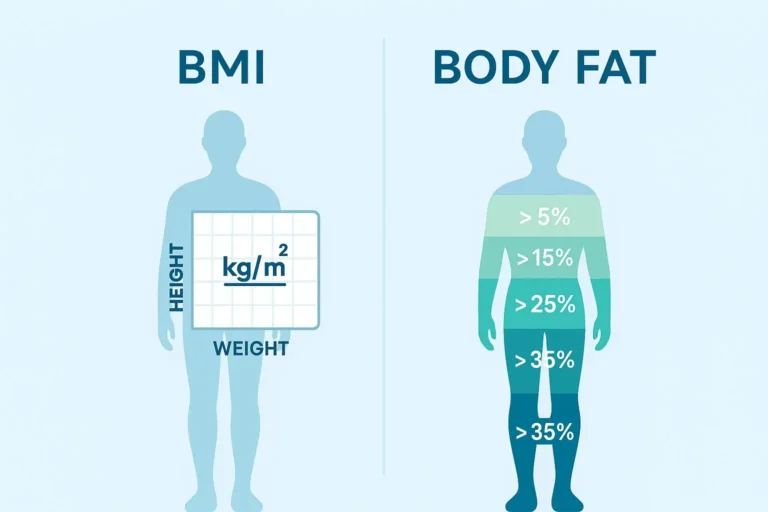
Additionally, BMI should be interpreted alongside other health indicators such as:
- body fat percentage
- waist circumference
- overall fitness level
For a deeper understanding, read limitations of body mass index.
Smartwatch BMI Tracking vs Traditional Methods
Traditional BMI measurement requires manual calculation or occasional doctor visits. Smartwatches simplify this process by providing continuous monitoring and trend analysis.
Advantages of Smartwatch Tracking
- real-time data updates
- motivation through progress visualization
- integration with daily activity monitoring
- convenience and accessibility
When Traditional Methods Are Better
- medical diagnosis or clinical evaluation
- detailed body composition testing
- personalized health consultations
Combining digital tools with professional guidance leads to more informed health decisions.
Tips for Choosing the Right Smartwatch
Selecting the best smartwatch depends on your health goals, budget, and device compatibility.
Consider these tips:
- choose a watch compatible with your smartphone
- prioritize health features over purely aesthetic design
- evaluate battery performance and durability
- look for integration with trusted health apps
- read user reviews and expert comparisons
Making an informed choice ensures that your smartwatch becomes a valuable long-term wellness companion.
FAQs
Do smartwatches actually calculate BMI?
Most smartwatches calculate BMI through connected health apps using stored height and weight data.
Which smartwatch is best for weight loss tracking?
Devices such as Fitbit, Apple Watch, and Garmin are popular for comprehensive fitness and weight management tracking.
Can smartwatches measure body fat percentage?
Some advanced models provide body composition estimates, especially when paired with compatible sensors or smart scales.
Are smartwatches accurate for BMI monitoring?
They are accurate when user data is updated correctly, but BMI should be interpreted alongside other health indicators.
Should I rely only on smartwatch data for health decisions?
No. Smartwatch insights should complement professional medical advice rather than replace it.
Summary
Smartwatches have become powerful tools for modern health tracking. While they do not directly measure BMI through sensors, their integration with mobile health apps makes it easy to monitor weight trends, activity levels, and overall wellness.
Choosing the right smartwatch can help you stay consistent with fitness goals, build healthier habits, and track progress toward a balanced BMI range.
By combining wearable technology with proper nutrition, exercise, and lifestyle awareness, individuals can make more informed decisions about long-term health.
For further reading, you can explore:
👉 Best BMI Calculator Apps for iOS & Android
👉 Top 10 BMI Myths You Should Stop Believing