Does BMI Work for Everyone?
Body Mass Index (BMI) is widely used to classify weight status and assess potential health risks. Doctors, fitness professionals, and public health organizations often rely on BMI because it is simple and standardized.
However, many researchers and health experts now question whether BMI provides equally accurate insights for all individuals.
The differences can influence how BMI relates to actual health risks.
If you want to understand the basics first, you should see what BMI is for a complete overview.
Does BMI Work for Everyone?
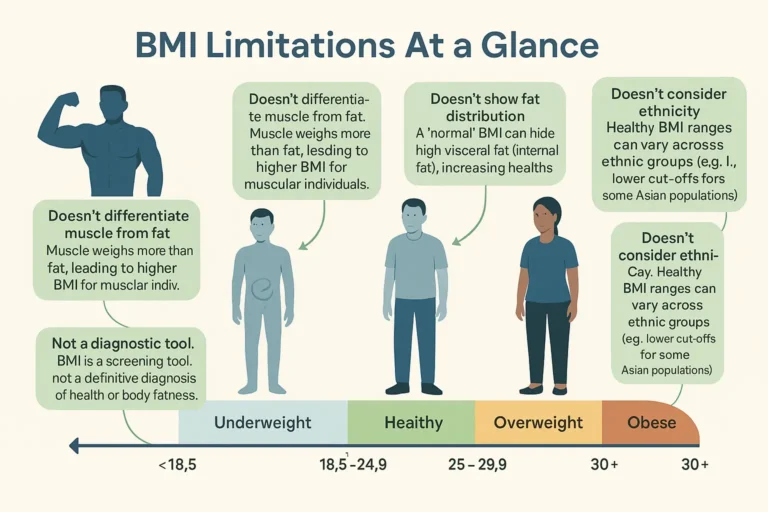
BMI works as a general screening tool, but it does not always reflect true health risk across different ethnicities, genders, and age groups. Variations in muscle mass, fat distribution, and metabolic response can affect BMI accuracy for certain populations.
Why Population Differences Matter in BMI
BMI was originally developed using data from European populations. Over time, it became a global health metric. However, research shows that body composition patterns differ significantly worldwide.
Key factors influencing BMI interpretation include:
- genetic predisposition
- cultural lifestyle habits
- diet and activity levels
- environmental influences
- hormonal and biological differences
These variations mean that the same BMI value may indicate different health risks depending on a person’s background.
To understand potential measurement challenges, explore limitations of body mass index.
BMI Accuracy by Ethnicity
Asian Populations
Research suggests that individuals of Asian descent may face metabolic risks such as diabetes and cardiovascular disease at lower BMI levels compared to Western populations.
This occurs because:
- higher body fat percentage may exist even at lower body weight
- fat may accumulate more centrally around abdominal organs
- genetic factors influence insulin sensitivity
As a result, some health organizations recommend lower BMI cut-off points for Asian populations when assessing overweight and obesity risk.
African and Afro-Caribbean Populations
Many individuals from African or Afro-Caribbean backgrounds tend to have:
- higher bone density
- greater lean muscle mass
- different fat distribution patterns
These characteristics may cause BMI to overestimate obesity risk. In such cases, complementary measurements like waist circumference or body fat percentage provide more useful insights.
Hispanic and Latino Populations
Studies indicate that certain Hispanic populations may experience higher obesity prevalence and metabolic risk. Lifestyle factors such as diet patterns, socioeconomic conditions, and physical activity levels can influence BMI interpretation.
Understanding cultural and environmental influences is essential when assessing health outcomes in these groups.
Middle Eastern and South Asian Populations
South Asian populations often show increased risk of insulin resistance and cardiovascular disease even within normal BMI ranges.
Factors contributing to this include:
- higher visceral fat accumulation
- sedentary urban lifestyles
- dietary patterns rich in refined carbohydrates
These patterns demonstrate that BMI alone may underestimate health risks in specific regions.
Gender Differences in BMI Interpretation
Men and women differ biologically in body composition, hormonal regulation, and fat storage patterns. These differences influence how BMI relates to health.
Fat Distribution Patterns
Women generally store more fat in the hips and thighs, while men often accumulate fat around the abdomen. Abdominal fat is more strongly associated with cardiovascular and metabolic diseases.
Therefore, two individuals with identical BMI scores may have different health risk profiles depending on gender.
Muscle Mass Differences
Men typically have higher lean muscle mass compared to women. This can lead to slightly higher BMI values even when body fat levels remain moderate.
Conversely, women may maintain a normal BMI while experiencing higher body fat percentages due to hormonal and metabolic variations.
Hormonal Influences
Hormones such as estrogen and testosterone influence fat storage, muscle development, and metabolic function.
For example:
- menopause can lead to increased abdominal fat in women
- aging-related testosterone decline may affect muscle mass in men
These biological factors highlight the need to interpret BMI within a broader physiological context.
To understand how BMI relates to overall health risk, you can read why body mass index matters for health.
Age and Population Interactions
BMI accuracy can also vary depending on age combined with ethnicity and gender.
Children and Adolescents
Growth patterns differ widely across populations. Pediatric BMI assessments often use percentile charts rather than fixed adult categories to account for developmental changes.
Older Adults
In older populations, muscle loss and fat redistribution can alter BMI interpretation. A normal BMI in seniors may still be associated with reduced muscle strength or increased chronic disease risk.
These variations emphasize the importance of personalized health evaluation.
Lifestyle and Socioeconomic Influences
Beyond biological differences, environmental and social factors also affect BMI outcomes.
Diet Patterns
Cultural dietary habits influence calorie intake, nutrient quality, and metabolic health. For example:
- high consumption of processed foods may increase obesity risk
- traditional diets rich in whole grains and vegetables may support healthier BMI ranges
Physical Activity Levels
Urbanization, occupational changes, and access to recreational facilities can affect physical activity patterns across populations.
These lifestyle differences may partly explain variations in BMI-related health risks worldwide.
Is BMI Still Useful Across Populations?
Despite its limitations, BMI remains valuable for:
- identifying general weight trends
- supporting large-scale health research
- guiding preventive health strategies
However, healthcare professionals increasingly recommend combining BMI with other indicators such as:
- waist circumference
- body fat percentage
- metabolic health markers
This integrated approach provides a clearer understanding of individual risk.
You can quickly assess your current BMI category using our online BMI tool.
How to Interpret Your BMI More Accurately
To make BMI more meaningful, consider these practical steps:
- Evaluate body composition through strength training progress or fitness assessments
- Monitor lifestyle habits such as sleep, nutrition, and physical activity
- Discuss health concerns with a qualified healthcare professional
- Use additional measurements like waist-to-height ratio for deeper insight
Combining multiple perspectives allows for a more realistic and personalized health evaluation.
FAQs
Does BMI work the same for all ethnic groups?
No. BMI thresholds may vary because body fat distribution and metabolic risk differ among populations.
Why can BMI underestimate risk in Asian populations?
Some Asian individuals have higher body fat percentages at lower BMI levels, increasing the risk of metabolic diseases.
Do men and women interpret BMI differently?
Yes. Hormonal differences and fat storage patterns can influence how BMI relates to health risks.
Is BMI useless for diverse populations?
BMI is still useful as a screening tool but should be combined with other health measurements for better accuracy.
What is the best alternative to BMI for population differences?
Body composition analysis and waist circumference measurements often provide more detailed insights.
Summary
Understanding BMI for different populations helps individuals move beyond one-size-fits-all health assessments. Ethnic background, gender biology, age, and lifestyle patterns all influence how BMI relates to real health outcomes.
While BMI remains a practical starting point, interpreting it alongside body composition, metabolic indicators, and lifestyle factors leads to more informed decisions.
A balanced and personalized approach ensures that BMI becomes a helpful guide rather than a rigid label.
For deeper insights, you may also explore:
👉 Top 10 BMI Myths You Should Stop Believing
👉 Normal BMI Range Explained